
Flat & Low-Slope Roofing Systems in Bradenton, FL
Commercial buildings with minimal roof pitch demand waterproofing systems engineered specifically for standing water exposure, thermal cycling, and membrane stress that steep-slope products cannot handle. Bradenton Superior Roofing specializes in flat & low-slope roofing systems including thermoplastic membranes, EPDM rubber roofing, PVC single-ply, APP modified bitumen, coal tar pitch, and silicone coatings designed for horizontal applications. We utilize heat-welded joints, torch-applied methods, and cold-adhesive systems that achieve required FM Approvals, impact resistance, and chemical compatibility essential for commercial environments. Our installations solve water pooling, seam separation, blistering, and traffic damage through engineered tapered drainage systems, reinforced walkways, properly-lapped seams, and edge securement that withstand hurricane conditions.
How do you select the right low-slope system for your facility? Critical factors include deck type compatibility, R-value requirements, equipment load distribution, and maintenance access patterns that influence material choice. We compare mechanically-fastened speed versus fully-adhered longevity, cool roof benefits, and proven performance from manufacturers including Versico, GenFlex, Tremco, and Sika Sarnafil. Every project addresses cant strips, pipe flashings, curb assemblies, and perimeter gravel stops following precise installation standards that activate full warranties. Trust our team to provide detailed system education, accurate budget estimates with lifecycle analysis, and skilled execution.
Our Flat & Low-Slope Roofing Services
We install, replace, repair, and maintain commercial flat and low-slope roofs across Bradenton with materials and methods chosen for long-term performance in Florida’s heat and storms. Our work emphasizes waterproofing, energy efficiency, and code-compliant details for roof drains, parapets, and rooftop equipment.
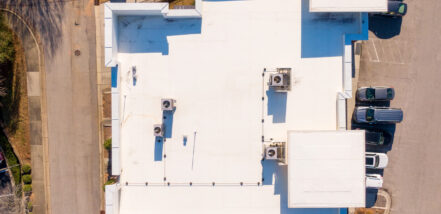
Complete Roof Installations
We design and install new low-slope and flat roofing systems for offices, warehouses, retail centers, and municipal buildings. We select membranes such as TPO, PVC, EPDM, and modified bitumen based on building use, expected foot traffic, chemical exposure, and energy goals.
Our installation process begins with a measured roof survey and substrate inspection. We provide drawings that show flashing details, roof drains, scuppers, and curb locations so owners and facility managers know exactly what to expect.
We coordinate mechanical curb installs and roof penetrations to maintain warranties. Our crews use thermal welding, cold adhesives, or torch applications per manufacturer requirements and building code. We document installation with photos and as-built notes for facility records.
Professional Roof Replacements
We remove failing roofing layers and prepare the deck to receive a new system that meets wind uplift standards and local permitting. We offer full recover or complete tear-off options after assessing deck condition, insulation needs, and structural load limits.
We manage permit pulls, inspection scheduling, and debris disposal to minimize disruption to your operations. When insulation replacement is needed we recommend R-value upgrades that can improve thermal performance and lower HVAC demand.
We provide explicit warranty options including manufacturer and labor coverage. Warranty packages specify coverage period, required maintenance, and procedures for claim handling so building owners can plan capital budgets with confidence.
Routine Maintenance Programs
We create scheduled maintenance plans that include roof surface inspections, drain and scupper clearing, flashing checks, and seam integrity testing. Typical visits occur twice a year and after major storms to reduce leak risk and keep warranties valid.
We log each visit with photos and a prioritized punch list of items needing attention. Preventive maintenance tasks we perform include re-sealing flashings, tightening fasteners, replacing degraded sealants, and removing ponding water to protect the roof substrate.
Our maintenance agreements include response time commitments and options for annual budgeting. We tailor frequency and tasks to building occupancy, roof age, and exposure to rooftop traffic to maximize service life and control repair costs.
Types of Flat & Low-Slope Roofing Systems
We focus on durable, code-compliant systems that balance weather resistance, service life, and maintenance needs. Each system below includes material traits, typical installation methods, and the performance factors that matter for commercial buildings in Bradenton.
TPO Roofing Solutions
TPO stands for thermoplastic olefin. We install field-fabricated or factory-fabricated TPO single-ply membranes that resist punctures and UV degradation. TPO’s welded seams create a continuous waterproof surface that performs well under ponding water common on low slopes.
We specify membrane thicknesses from 45 to 80 mil depending on traffic and HVAC rooftop loads. Typical attachment methods include fully adhered with low-rise adhesive, mechanically attached, or ballast systems when substrate conditions require it. White reflective TPO reduces solar heat gain and can lower cooling loads during summer months in Florida.
Modified Bitumen Roofing
Modified bitumen uses asphalt modified with polymers for improved elasticity and toughness. We apply it in multi-ply assemblies with torch-applied or cold-adhered membranes to enhance durability on low-slope commercial roofs.
We select APP or SBS modified bitumen based on climate and building movement. APP provides heat-activated surface toughness for hot climates while SBS offers better cold-flexibility for thermal cycling. Flashing and detail work use reinforced sheets and compatible adhesives to maintain watertight seals at drains, curbs, and rooftop equipment.
Built-Up Roofing (BUR)
Built-up roofing combines multiple asphalt-impregnated felts with surfacing for proven waterproofing. We prefer BUR for low-slope roofs that need a robust, redundant barrier and where service traffic or heavy equipment is expected.
Typical BUR assemblies include 3 to 5 plies with gravel or cap sheet surfacing to protect the bitumen from UV and mechanical damage. We apply BUR in hot mop or cold adhesive processes to ensure full ply adhesion and uniform coverage. The granular surface adds fire and abrasion resistance and helps with ballast in certain assemblies.
EPDM Membrane Systems
EPDM is a synthetic rubber membrane noted for flexibility and long-term weather resistance. We use black EPDM for its proven performance resisting ozone, UV, and thermal cycling on low-slope commercial roofs.
Installations most commonly employ fully adhered or ballasted systems depending on roof slope, deck type, and weight constraints. Seams are sealed with factory tapes or adhesives and detailed carefully at terminations, penetrations, and edge metal to prevent ingress. EPDM accommodates thermal movement without significant cracking.
Why Choose Us for Flat & Low-Slope Roofing Systems
Experienced Commercial Roofing Teams
We deploy crews who specialize only in commercial flat and low-slope systems. Each team member completes OSHA training, manufacturer-specific application courses, and site safety briefings before starting a job. We assign a project foreman with at least 7 years of commercial roofing experience to every project to maintain consistency and on-site decision making.
Commitment to Quality Materials
We specify materials from recognized manufacturers and follow their published detail sheets for installation. For single-ply membranes we use reinforced products rated for UV exposure and ponding conditions commonly found in Florida. For built-up and modified bitumen systems we select granule-surfaced cap sheets and polyester-reinforced plies matched to project wind and foot-traffic requirements.
Proven Project Management
We assign a dedicated project manager to coordinate permits, inspections, and submittals from pre-construction through closeout. Our project managers prepare a written schedule with phased work windows, material delivery times, and temporary protection plans to minimize disruption to building operations and tenant access.
FAQs About Flat & Low-Slope Roofing Systems
TPO single-ply membranes are the best flat roofing material for most commercial buildings in Bradenton due to superior heat reflectivity, excellent UV resistance, strong heat-welded seams, and cost-effectiveness for Florida's climate. White TPO membranes reduce cooling costs through high solar reflectance while withstanding intense sun exposure, heavy rainfall, and high humidity conditions common in Manatee County. PVC membranes excel for properties with rooftop equipment or chemical exposure, while modified bitumen and EPDM systems provide proven performance for buildings prioritizing puncture resistance and traditional installation methods.
Flat roof installation costs typically range from $4.50 to $13 per square foot depending on membrane material, insulation requirements, drainage improvements, and existing roof removal needs. Bradenton Superior Roofing provides transparent pricing with TPO and EPDM systems at the lower cost range, PVC and modified bitumen in the mid-range, and spray polyurethane foam or metal systems at premium pricing. Factors like parapet height, penetration quantity, tapered insulation systems, and substrate repairs affect total project investment per square foot.
Bradenton Superior Roofing installs TPO thermoplastic membranes, EPDM rubber roofing, PVC single-ply systems, modified bitumen torch-down and self-adhered membranes, built-up roofing (BUR), spray polyurethane foam (SPF), and standing seam metal roofing for low-slope commercial applications. We provide mechanically attached, fully adhered, and ballasted installation methods based on building requirements, wind uplift specifications, and budget considerations. Our systems accommodate slopes from completely flat to 3:12 pitch for retail buildings, warehouses, office complexes, and industrial facilities throughout Bradenton.
Flat commercial roofs in Florida typically last 15 to 30 years depending on membrane material, installation quality, maintenance frequency, and exposure to harsh weather conditions. TPO and PVC membranes average 20 to 25 years with proper maintenance, EPDM systems last 18 to 22 years, while modified bitumen roofs provide 15 to 20 years of service life. Metal roofing systems can exceed 30 years, and spray polyurethane foam applications offer 20 to 25 years when regularly recoated. Regular inspections, prompt leak repairs, and proper drainage maintenance significantly extend flat roof longevity in Florida's challenging climate.
Yes, Bradenton Superior Roofing repairs ponding water issues through tapered insulation installation that creates positive drainage slopes, additional roof drain installations, scupper upgrades, structural slope corrections, and drainage pathway improvements. We assess existing roof slope, identify low spots causing water accumulation, and implement solutions like cricket installations around penetrations or complete tapered insulation systems. Ponding water accelerates membrane deterioration, increases leak risk, and voids many manufacturer warranties, making proper drainage correction essential for flat roof performance and longevity in Florida's heavy rainfall environment.